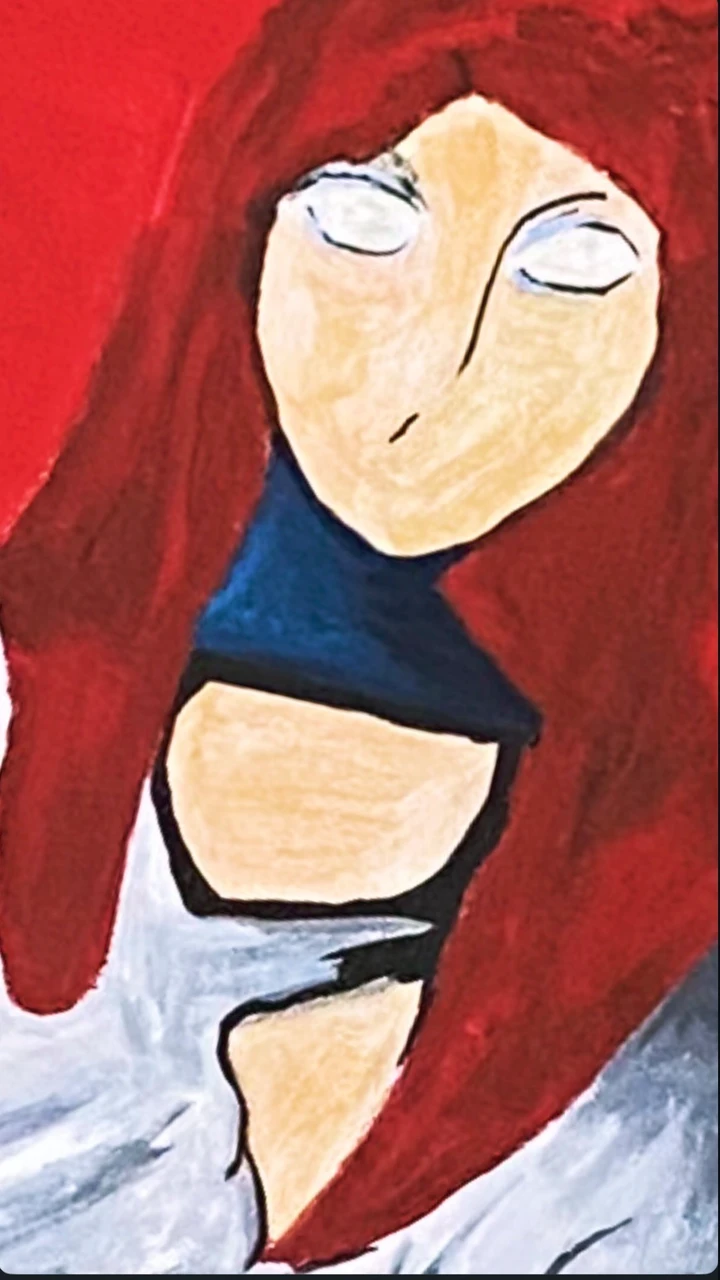
Saint Teresa of Ávila / Las Moradas
First Dwelling.
Chapter 2.
About this chapter
Teresa connects self-knowledge with looking towards God: recognising our limits should open us to His help and to love of neighbour. Dwelling on our faults, worldly interests, or other people’s shortcomings can obscure that attention and weaken charity.
Editorial summary from the website; it is not part of Saint Teresa’s text.Part 1
Adapted: an editorial English translation of the website’s Spanish adaptation. Original: Saint Teresa’s Spanish text (1577), preserved without translation.
Adapted text
First Dwelling
Chapter 2 — Part 1 | Adapted text
Before going on, think about what happens when a soul falls into mortal sin. That beautiful, radiant castle, that precious pearl, that tree of life planted in God’s living waters, is plunged into a darkness deeper than any we can imagine.
And yet God remains at the centre of the soul, like the sun that once lit the castle. What has changed is that the soul no longer receives his light, although it is still capable of enjoying God, just as a crystal is capable of reflecting the sun.
That is why, while it remains in mortal sin, its good works bear no fruit towards attaining glory. Having turned away from God, the source of the true worth of every virtue, they cannot please him. Someone who commits a mortal sin is not seeking, in that act, to please God but to satisfy the devil. Thus, under the power of darkness, the poor soul is also darkened.
I know of someone to whom the Lord showed what a soul is like when it commits a mortal sin. That person says that if everyone understood what she saw, no one would sin, even if they had to endure great suffering to avoid occasions of sin. That was why she so much wanted everyone to understand it.
May God give you too, daughters, the desire to pray much for those in that state. Their souls have become dark, and their works are dark as well.
Clear streams flow from a clean spring. So it is with the soul that lives in grace: its works please God and others because they come from him, who is the source of life. That soul is like a tree planted beside water. From there it receives what sustains it, keeps it from drying up and allows it to bear good fruit.
By contrast, when the soul, through its own fault, turns away from that spring and takes root beside black, foul-smelling waters, everything that flows from it carries that same filth and misery.
We must remember that God, the source of life and the sun shining at the centre of the soul, loses neither his light nor his beauty. He is always there. But if we cover a crystal standing in the sun with a black cloth, the light will go on shining without the crystal being able to reflect it.
O souls redeemed by the blood of Jesus Christ! Recognise what is happening within you and have compassion on yourselves. How could you not wish to remove that black covering which darkens the crystal? If life ends before you remove it, you will no longer be able to enjoy that light.
O Jesus, what sorrow to see a soul cut off from it! How desolate the rooms of the castle become! The senses, which are its inhabitants, live in confusion. And the faculties of the soul, which should govern it, act blindly and without order. If the tree that has taken root there is the devil, what fruit can it bear?
I once heard a spiritual man say that he was astonished not by what someone in mortal sin did, but by what they did not do. May God, in his mercy, deliver us from so great an evil. It is what we should fear most in this life, because it can have eternal consequences. So, daughters, let us ask God to protect us. As Scripture says, unless he guards the city, those who watch over it labour in vain, for we are nothing but vanity.
That person learned two things from what God showed her.
The first was to fear offending him profoundly: seeing the consequences of sin, she begged him again and again not to let her fall. The second was a lesson in humility. She understood that the good we do does not originate in ourselves but in God. He is the spring that nourishes the tree of our soul and the sun that warms our works. She saw this so clearly that whenever she did something good or saw another person do so, she immediately recognised that the goodness came from God. Then she praised him, without taking credit for her good works herself.
You will not have wasted your time reading this, sisters, nor I in writing it, if we hold on to those two lessons. Those with learning may already know them well; these comparisons may help us understand them. May the Lord, in his goodness, grant us that grace.
These inward things are so difficult to understand that someone who knows as little as I do will inevitably have to say many unnecessary things, and even some mistaken ones, before finding something right to say. Whoever reads this will need patience, for I also need it to write about what I do not know. Sometimes I take up the paper like a fool, not knowing what to say or how to begin.
I know it is important to explain some inward things to you as best I can. We always hear that prayer is good, and our constitutions tell us to devote so many hours to it. But explanations usually confine themselves to what we can do; little is said about what the Lord works in the soul, that is, the supernatural. If we manage to explain these things in different ways, it will be a great consolation to contemplate this heavenly work within us, so little understood although many people experience it.
And although in other things I have written the Lord has helped me explain something of this, I realise that there were things I did not understand then as I have since, especially the most difficult ones. The difficulty is that, to reach them, I shall have to say many things that are already known. With my clumsy understanding, I cannot find another way.
Let us now return to our castle with its many dwellings. Do not imagine these dwellings as rooms arranged one behind another in a row. Look instead at the centre: there is the chamber, the palace where the King dwells. Imagine a palm heart: to reach its tender, delicious centre, one must pass through the many layers around it. In the same way, many dwellings surround the central chamber, and there are others above it too.
The things of the soul must be considered in their fullness, breadth and greatness, without enclosing them within narrow limits. The soul is capable of far more than we can imagine, and the sunlight shining in that palace reaches every part of it.
This matters for any soul that prays, whether a little or a great deal: do not force it into a corner or hem it in. Let it move through the dwellings, above, below and to the sides, for God has given it great dignity. Do not compel it to remain too long in one room, especially the room of self-knowledge.
I want you to understand me well: self-knowledge is necessary. Even souls whom the Lord brings to the dwelling where he is need that knowledge and cannot do without it, however much they might wish to. Humility works like the bee making honey in its hive; without it, everything is lost. But the bee also flies out in search of flowers. Likewise, the soul must not always remain looking at itself. Believe me: let it sometimes fly out to contemplate the greatness and majesty of God.
By contemplating him, it will recognise its own littleness better than if it looks only at itself. It will also be freer of the vermin that enter the first dwellings, where the soul is occupied with self-knowledge. Practising that knowledge is a great mercy from God, but, as the saying goes, excess is as bad as deficiency. With God’s strength we shall practise virtue better than if we remain too tightly bound to our own earth.
I do not know whether I have explained myself clearly. Knowing ourselves is so important that I would never want us to neglect it, however high we may have risen. While we live on this earth, nothing matters more to us than humility.
That is why I repeat that it is very good, truly very good, to enter first the chamber where we learn to know ourselves, before flying to the others. This is the safe, level path. If we can walk along it, why look for wings? Let each of us try to advance in that knowledge. In my view, we shall never finish knowing ourselves unless we try to know God. Looking at his greatness, we shall recognise our lowliness; looking at his purity, we shall see our uncleanness; and considering his humility, we shall see how far we are from being humble.
There are two benefits in this. The first is that, just as white looks whiter beside black and black looks blacker beside white, by looking at God’s greatness we see our own condition more clearly. The second is that, when we examine ourselves without ceasing to keep company with God, our understanding and our will are ennobled and become better disposed towards goodness. If we never rise out of the mud of our miseries, it does us great harm.
Earlier we spoke of the black, foul-smelling streams of a soul in mortal sin. I am not saying the same thing happens here—God forbid; it is only a comparison. But if we remain sunk in the misery of our own earth, nothing will flow from us but a stream of mud, full of fears, uncertainty and cowardice. We shall begin asking ourselves: ‘Are they looking at me or not? Will things go badly if I follow this path? Dare I begin that work? Could it be pride? Is it right for someone as wretched as I am to devote herself to something as lofty as prayer? Will they think I consider myself better if I do not follow everyone else’s path? Are extremes not bad, even in virtue? Being such a sinner, will my fall not be worse the higher I rise? Perhaps I shall make no progress and end up harming good people. Someone like me has no need of special things.’
Oh, God help me, daughters! How many souls the devil must have led to ruin through this deception! They mistake all those doubts for humility, and I could name many more. This happens because we never fully come to know ourselves. The devil confuses us about what self-knowledge means, and if we never stop looking at ourselves, I am not surprised that we end up full of these fears and many others.
That is why I say, daughters, that we should fix our eyes on Christ, our good, and on his saints. There we shall learn true humility. Our understanding will be ennobled, as I have said, and self-knowledge will not leave the soul downcast or afraid. Although this is the first dwelling, it is very rich and valuable. If the soul manages to escape the vermin within it, it will be able to go forward. Terrible are the devil’s traps and tricks to prevent souls from knowing themselves and seeing where they are going.
I can give you many details about these first dwellings because I know them from experience. That is why I tell you not to imagine they contain only a few rooms: think, rather, of a million. Souls reach them in many ways, and with good intentions.
But the devil always seeks evil. It seems that he has stationed legions of demons in each dwelling to prevent souls from moving on to the next. Because the poor soul does not notice, he deceives it in a thousand ways. He does not deceive so easily the souls that are closer to the King. Here, in the first dwellings, they are still deeply absorbed in the world, in its pleasures, honours and ambitions. That is why the soul’s vassals—the senses and the faculties God gave it by nature—have little strength, and the soul is easily overcome, even though it wishes not to offend God and does good works.
Those who recognise themselves in this state should turn to His Majesty often, as best they can. Ask for the intercession of his blessed Mother and the saints, so that they may fight on your behalf, for the soul’s vassals have little strength to defend it. In truth, we need God’s strength in every state. May His Majesty grant it to us through his mercy. Amen.
Original text (1577)
Primera Morada
Capítulo Dos - PARTE 1 | Texto original (1577)
Antes que pase adelante, os quiero decir que consideréis qué será ver este castillo tan resplandeciente y hermoso, esta perla oriental, este árbol de vida que está plantado en las mismas aguas vivas de la vida, que es Dios, cuando cae en un pecado mortal: no hay tinieblas más tenebrosas, ni cosa tan oscura y negra, que no lo esté mucho más. No queráis más saber de que, con estarse el mismo sol que le daba tanto resplandor y hermosura todavía en el centro de su alma, es como si allí no estuviese para participar de él, con ser tan capaz para gozar de Su Majestad como el cristal para resplandecer en él el sol. Ninguna cosa le aprovecha; y de aquí viene que todas las buenas obras que hiciere, estando así en pecado mortal, son de ningún fruto para alcanzar gloria; porque no procediendo de aquel principio, que es Dios, de donde nuestra virtud es virtud, y apartándonos de él, no puede ser agradable a sus ojos; pues, en fin, el intento de quien hace un pecado mortal no es contentarle, sino hacer placer al demonio, que como es las mismas tinieblas, así la pobre alma queda hecha una misma tiniebla.
Yo sé de una persona a quien quiso nuestro Señor mostrar cómo quedaba un alma cuando pecaba mortalmente. Dice aquella persona que le parece si lo entendiesen no sería posible ninguno pecar, aunque se pusiese a mayores trabajos que se pueden pensar por huir de las ocasiones. Y así le dio mucha gana que todos lo entendieran. y así os la dé a vosotras, hijas, de rogar mucho a Dios por los que están en este estado, todos hechos una oscuridad, y así son sus obras; porque así como de una fuente muy clara lo son todos los arroyicos que salen de ella, como es un alma que está en gracia, que de aquí le viene ser sus obras tan agradables a los ojos de Dios y de los hombres, porque proceden de esta fuente de vida, adonde el alma está como un árbol plantado en ella, que la frescura y fruto no tuviera si no le procediere de allí, que esto le sustenta y hace no secarse y que dé buen fruto; así el alma que por su culpa se aparta de esta fuente y se planta en otra de muy negrísima agua y de muy mal olor, todo lo que corre de ella es la misma desventura y suciedad.
Es de considerar aquí que la fuente y aquel sol resplandeciente que está en el centro del alma no pierde su resplandor y hermosura que siempre está dentro de ella, y cosa no puede quitar su hermosura. Mas si sobre un cristal que está al sol se pusiese un paño muy negro, claro está que, aunque el sol dé en él, no hará su claridad operación en el cristal.
¡Oh almas redimidas por la sangre de Jesucristo! ¡Entendeos y habed lástima de vosotras! ¿Cómo es posible que entendiendo esto no procuréis quitar esta pez de este cristal? Mirad que, si se os acaba la vida, jamás tornaréis a gozar de esta luz. ¡Oh Jesús, qué es ver a un alma apartada de ella! ¡Cuáles quedan los pobres aposentos del castillo! ¡Qué turbados andan los sentidos, que es la gente que vive en ellos! Y las potencias, que son los alcaides y mayordomos y maestresalas, ¡con qué ceguedad, con qué mal gobierno! En fin, como adonde está plantado el árbol que es el demonio, ¿qué fruto puede dar?
Oí una vez a un hombre espiritual que no se espantaba de cosas que hiciese uno que está en pecado mortal, sino de lo que no hacía. Dios por su misericordia nos libre de tan gran mal, que no hay cosa mientras vivimos que merezca este nombre de mal, sino ésta, pues acarrea males eternos para sin fin. Esto es, hijas, de lo que hemos de andar temerosas y lo que hemos de pedir a Dios en nuestras oraciones; porque, si él no guarda la ciudad, en vano trabajaremos, pues somos la misma vanidad.
Decía aquella persona que había sacado dos cosas de la merced que Dios le hizo: la una, un temor grandísimo de ofenderle, y así siempre le andaba suplicando no la dejase caer, viendo tan terribles daños; la segunda, un espejo para la humildad, mirando cómo cosa buena que hagamos no viene su principio de nosotros, sino de esta fuente adonde está plantado este árbol de nuestras almas, y de este sol que da calor a nuestras obras. Dice que se le representó esto tan claro, que en haciendo alguna cosa buena o viéndola hacer, acudía a su principio y entendía cómo sin esta ayuda no podíamos hacer nada; y de aquí le procedía ir luego a alabar a Dios y, lo más ordinario, no se acordar de sí en cosa buena que hiciese.
No sería tiempo perdido, hermanas, el que gastaseis en leer esto ni yo en escribirlo, si quedásemos con estas dos cosas, que los letrados y entendidos muy bien las saben, mas nuestra torpeza de las mujeres todo lo ha menester; y así por ventura quiere el Señor que vengan a nuestra noticia semejantes comparaciones. Plega a su bondad nos dé gracia para ello.
Son tan oscuras de entender estas cosas interiores, que a quien tan poco sabe como yo, forzado habrá de decir muchas superfluas y aun desatinadas para decir alguna que acierte. Es menester tenga paciencia quien lo leyere, pues yo la tengo para escribir lo que no sé; que, cierto algunas veces tomo el papel como una cosa boba, que ni sé qué decir ni cómo comenzar. Bien entiendo que es cosa importante para vosotras declarar algunas interiores, como pudiere; porque siempre oímos cuán buena es la oración, y tenemos de constitución tenerla tantas horas, y no se nos declara más de lo que podemos nosotras; y de cosas que obra el Señor en un alma declárase poco, digo sobrenatural. Diciéndose y dándose a entender de muchas maneras, sernos ha mucho consuelo considerar este artificio celestial interior tan poco entendido de los mortales aunque vayan muchos por él. Y aunque en otras cosas que he escrito ha dado el Señor algo a entender, entiendo que algunas no las había entendido como después acá, en especial de las más dificultosas. El trabajo es que para llegar a ellas - como he dicho- se habrán de decir muchas muy sabidas porque no puede ser menos para mi rudo ingenio.
Pues tornemos ahora a nuestro castillo de muchas moradas. No habéis de entender estas moradas una en pos de otra, como cosa en hilada, sino poned los ojos en el centro, que es la pieza o palacio adonde está el rey, y considerad como un palmito, que para llegar a lo que es de comer tiene muchas coberturas que todo lo sabroso cercan. Así acá, enrededor de esta pieza están muchas, y encima lo mismo. Porque las cosas del alma siempre se han de considerar con plenitud y anchura y grandeza, pues no le levantan nada, que capaz es de mucho más que podremos considerar, y a todas partes de ella se comunica este sol que está en este palacio.
Esto importa mucho a cualquier alma que tenga oración, poca o mucha, que no la arrincone ni apriete. Déjela andar por estas moradas, arriba y abajo y a los lados, pues Dios la dio tan gran dignidad; no se estruje en estar mucho tiempo en una pieza sola. ¡Oh que si es en el propio conocimiento! Que con cuán necesario es esto (miren que me entiendan), aun a las que las tiene el Señor en la misma morada que él está, que jamás - por encumbrada que esté- le cumple otra cosa ni podrá aunque quiera; que la humildad siempre labra como la abeja en la colmena la miel, que sin esto todo va perdido. Mas consideremos que [así como ] la abeja no deja de salir a volar para traer flores, así el alma en el propio conocimiento; créame y vuele algunas veces a considerar la grandeza y majestad de su Dios. Aquí hallará su bajeza mejor que en sí misma, y más libre de las sabandijas adonde entran en las primeras piezas, que es el propio conocimiento; que aunque, como digo, es harta misericordia de Dios que se ejercite en esto, tanto es lo de más como lo de menos - suelen decir-. Y créanme, que con la virtud de Dios obraremos muy mejor virtud, que muy atadas a nuestra tierra.
No sé si queda dado bien a entender, porque es cosa tan importante este conocernos que no querría en ellos hubiese jamás relajación, por subidas que estéis en los cielos; pues mientras estamos en esta tierra no hay cosa que más nos importe que la humildad. Y así torno a decir que es muy bueno y muy rebueno tratar de entrar primero en el aposento adonde se trata de esto, que volar a los demás; porque éste es el camino, y si podemos ir por lo seguro y llano, ¿para qué hemos de querer alas para volar? Mas que busque cómo aprovechar más en esto; y, a mi parecer, jamás nos acabamos de conocer si no procuramos conocer a Dios. Mirando su grandeza, acudamos a nuestra bajeza; y mirando su limpieza, veremos nuestra suciedad; considerando su humildad, veremos cuán lejos estamos de ser humildes.
Hay dos ganancias de esto: la primera, está claro que parece una cosa blanca muy más blanca cabe la negra, y al contrario la negra cabe la blanca; la segunda es, porque nuestro entendimiento y voluntad se hace más noble y más aparejado para todo bien tratando a vueltas de sí con Dios; y si nunca salimos de nuestro cieno de miserias, es mucho inconveniente. Así como decíamos de los que están en pecado mortal, cuán negras y de mal olor son sus corrientes, así acá (aunque no son como aquéllas, Dios nos libre, que esto es comparación), metidos siempre en la miseria de nuestra tierra, nunca la corriente saldrá de cieno de temores, de pusilanimidad y cobardía: de mirar si me miran, no me miran; si, yendo por este camino, me sucederá mal; si osaré comenzar aquella obra, si será soberbia; si es bien que una persona tan miserable trate de cosa tan alta como la oración; si me tendrán por mejor si no voy por el camino de todos; que no son buenos los extremos, aunque sea en virtud; que, como soy tan pecadora, será caer de más alto; quizá no iré adelante y haré daño a los buenos; que una como yo no ha menester particularidades.
¡Oh válgame Dios, hijas, qué de almas debe el demonio de haber hecho perder mucho por aquí! Que todo esto les parece humildad, y otras muchas cosas que puediera decir, y viene de no acabar de entendernos; tuerce el propio conocimiento y, si nunca salimos de nosotros mismos, no me espanto que esto y más se puede temer. Por eso digo, hijas, que pongamos los ojos en Cristo, nuestro bien, y allí deprenderemos la verdadera humildad, y en sus santos, y ennoblecerse ha el entendimiento -como he dicho- y no hará el propio conocimiento ratero y cobarde; que, aunque ésta es la primera morada, es muy rica y de gran precio, que si se descabulle de las sabandijas de ella, no se quedará sin pasar adelante. Terribles son los ardides y mañas del demonio para que las almas no se conozcan ni entiendan sus caminos.
De estas moradas primeras podré yo dar muy buenas señas de experiencia. Por eso digo que no consideren pocas piezas, sino un millón; porque de muchas maneras entran almas aquí, unas y otras con buena intención. Mas, como el demonio siempre la tiene tan mala, debe tener en cada una muchas legiones de demonios para combatir que no pasen de unas a otras y, como la pobre alma no lo entiende, por mil maneras nos hace trampantojos, lo que no puede tanto a las que están más cerca de donde está el rey, que aquí, como aún se están embebidas en el mundo y engolfadas en sus contentos y desvanecidas en sus honras y pretensiones, no tienen la fuerza los vasallos del alma (que son los sentidos y potencias) que Dios les dio de su natural, y fácilmente estas almas son vencidas, aunque anden con deseos de no ofender a Dios, y hagan buenas obras. Las que se vieren en este estado han menester acudir a menudo, como pudieren, a Su Majestad, tomar a su bendita Madre por intercesora, y a sus Santos, para que ellos peleen por ellas, que sus criados poca fuerza tienen para se defender. A la verdad, en todos estados es menester que nos venga de Dios. Su Majestad nos la dé por su misericordia, amén.
Part 2
Adapted text
First Dwelling
Chapter 2 — Part 2 | Adapted text
How miserable is the life we live! Because elsewhere I have said much about the harm we suffer, daughters, through not properly understanding humility and self-knowledge, I shall say no more here, although it is what matters most to us. May the Lord grant that I have said something useful to you.
You must notice that in these first dwellings scarcely any of the light from the palace where the King is has yet arrived. Although they are not dark and black as when the soul is in sin, they are nevertheless darkened in some way, so that the person within cannot see the light. I do not mean that the room is at fault—I do not know how to make myself understood—but that all the harmful things, snakes, vipers and poisonous creatures that entered with the person prevent them from noticing the light. It is as though someone entered a place full of sunshine with dirt in their eyes, so that they could hardly open them. The room is bright, but they cannot enjoy it because of that obstruction, or because those wild creatures and beasts make them close their eyes so that they see nothing but them. So, it seems to me, must be a soul which, although not in a bad state, is so caught up in worldly things and so absorbed in property, honour or business, as I have said, that even though it sincerely wishes to see itself and enjoy its beauty, these things do not let it, and it seems unable to escape so many obstacles. To enter the second dwellings, it is very important to try to withdraw from unnecessary things and business, each person according to their state in life. This matters so much for reaching the principal dwelling that, unless one begins to do it, I consider that impossible; indeed, it is impossible to remain without great danger even in the present dwelling, although one has entered the castle, because among so many poisonous things it is impossible not to be bitten sooner or later.
What would it mean, then, daughters, if those already free from these stumbling blocks, like us, who have entered much further into other secret dwellings of the castle, were through our own fault to return to this confusion? Sadly, there must be many people on whom God has bestowed favours who throw themselves into this misery through their own fault. Here we are free outwardly; may the Lord grant that we are also free inwardly, and deliver us. My daughters, guard yourselves against concerning yourselves with other people’s affairs. Remember that there are few dwellings in this castle where the demons cease their attacks. It is true that in some the guards are strong enough to fight—I believe I have said that these are the faculties—but it is essential not to be careless, so that we recognise their tricks and are not deceived by the devil appearing as an angel of light. There are countless ways in which he can harm us by entering little by little, and we do not understand until the harm has been done.
I have already told you that he is like a silent file, and that we must recognise him from the beginning. I want to say something to make this clearer.
He gives a sister such impulses towards penance that she feels she can find no rest except when tormenting herself. This beginning is good; but if the prioress has ordered that no penance be done without permission, and he makes the sister think that in so good a matter she may well venture to do so, and she secretly lives in such a way that she loses her health and can no longer do what her Rule commands, you see where that good thing has ended.
He gives another sister a very great zeal for perfection. This is very good; but it may lead her to regard any little fault in the sisters as a serious failing, to watch carefully whether they commit faults and to go to the prioress about them. Sometimes her great zeal for religious observance may even prevent her from seeing her own faults. As the others do not understand what is happening within her, but see this watchfulness, they may not take it very well.
What the devil is seeking here is no small thing: to cool charity and the love you have for one another, which would do great harm. Let us understand, my daughters, that true perfection is love of God and neighbour, and the more perfectly we keep these two commandments, the more perfect we shall be. Our entire Rule and Constitutions serve no other purpose than as means of keeping them more perfectly. Let us set aside indiscreet zeal, which can do us great harm. Let each of us look to herself.
Since I have already told you enough about this elsewhere, I shall not go on at length.
This love for one another matters so much that I would never want you to forget it. By watching for little things in others, which sometimes may not even be imperfections, but which in our ignorance we may interpret in the worst way, a soul can lose its peace and even disturb the peace of others. Consider how dearly perfection would then cost us. The devil could also put this temptation into the prioress, where it would be more dangerous. Great discernment is needed here: if things are contrary to the Rule and Constitution, they must not always be given a favourable interpretation; the prioress should be informed, and if she does not correct the matter, the superior. That is clear. The same applies to the sisters if there is something serious: leaving everything alone out of fear, thinking it a temptation, would itself be the temptation. But great care is needed, so that the devil does not deceive us, not to discuss the matter with one another, because he can gain much from this and begin a habit of gossip; rather, speak to someone who can help, as I have said. Here, glory be to God, there is less room for this because silence is so continually observed, but it is still good for us to be on our guard.
Original text (1577)
Primera Morada
Capítulo Dos - PARTE 2|Texto original (1577)
¡Qué miserable es la vida en que vivimos! Porque en otra parte dije mucho del daño que nos hace, hijas, no entender bien esto de la humildad y propio conocimiento, no os digo más aquí, aunque es lo que más nos importa y aun plega al Señor haya dicho algo que os aproveche.
Habéis de notar que en estas moradas primeras aún no llega casi nada la luz que sale del palacio donde está el Rey; porque, aunque no están oscurecidas y negras como cuando el alma está en pecado, está oscurecida en alguna manera para que no la pueda ver -el que está en ella digo- y no por culpa de la pieza, que no sé darme a entender, sino porque con tantas cosas malas de culebras y víboras y cosas emponzoñosas que entraron con él, no le dejan advertir a la luz. Como si uno entrase en una parte adonde entra mucho sol y llevase tierra en los ojos, que casi no los pudiese abrir. Clara está la pieza, mas él no lo goza por el impedimento o cosas de esas fieras y bestias que le hacen cerrar los ojos para no ver sino a ellas. Así me parece debe ser un alma que, aunque no esté en mal estado, está tan metida en cosas del mundo y tan empapada en la hacienda u honra o negocios - como tengo dicho - que, aunque en hecho de verdad se querría ver y gozar de su hermosura, no le dejan, ni parece que puede descabullirse de tantos impedimentos. Y conviene mucho, para haber de entrar a las segundas moradas, que procure dar de mano a las cosas y negocios no necesarios, cada uno conforme a su estado; que es cosa que le importa tanto para llegar a la morada principal, que si no comienza a hacer esto, lo tengo por imposible, y aun estar sin mucho peligro en la que está, aunque haya entrado en el castillo, porque entre cosas tan ponzoñosas, una vez u otra es imposible dejarle de morder.
Pues ¿qué sería, hijas, si a las que ya están libres de estos tropiezos, como nosotras, y hemos ya entrado muy más dentro a otras moradas secretas del castillo, si por nuestra culpa tornásemos a salir a estas barahúndas, como por nuestros pecados debe haber muchas personas, que las ha hecho Dios mercedes y por su culpa las echan a esta miseria? Acá libres estamos en lo exterior; en lo interior plega al Señor que lo estemos y nos libre. Guardaos, hijas mías, de cuidados ajenos. Mirad que en pocas moradas de este castillo dejan de combatir los demonios. Verdad es que en algunas tienen fuerza las guardas para pelear -como creo he dicho que son las potencias-, mas es mucho menester no nos descuidar para entender sus ardides y que no nos engañe, hecho ángel de luz; que hay una multitud de cosas con que nos puede hacer daño entrando poco a poco, y hasta haberle hecho no le entendemos.
Ya os dije otra vez que es como una lima sorda, que hemos menester entenderle a los principios. Quiero decir alguna cosa para dároslo mejor a entender.
Pone en una hermana unos ímpetus de penitencia, que le parece no tiene descanso sino cuando se está atormentando. Este principio bueno es; mas si la priora ha mandado que no hagan penitencia sin licencia, y le hace parecer que en cosa tan buena bien se puede atrever, y escondidamente se da tal vida que viene a perder la salud y no hacer lo que manda su Regla, ya veis en qué paró este bien.
Pone a otra un celo de la perfección muy grande. Esto muy bueno es; mas podría venir de aquí que cualquier faltita de las hermanas le pareciese una gran quiebra, y un cuidado de mirar si las hacen, y acudir a la priora; y aun a las veces podría ser no ver las suyas por el gran celo que tiene de la religión. Como las otras no entienden lo interior y ven el cuidado, podría ser no lo tomar tan bien.
Lo que aquí pretende el demonio no es poco: que es enfriar la caridad y el amor de unas con otras, que sería gran daño. Entendamos, hijas, mías, que la perfección verdadera es amor de Dios y del prójimo, y mientras con más perfección guardáremos estos dos mandamientos, seremos más perfectas. Toda nuestra Regla y Constituciones no sirven de otra cosa sino de medios para guardar esto con más perfección. Dejémonos de celos indiscretos, que nos pueden hacer mucho daño. Cada una se mire a sí.
Porque en otra parte os he dicho harto sobre esto, no me alargaré.
Importa tanto este amor de unas con otras, que nunca querría que se os olvidase; porque de andar mirando en las otras unas naderías, que a las veces no será imperfección, sino, como sabemos poco, quizá lo echaremos a la peor parte, puede el alma perder la paz y aún inquietar la de las otras: mirad si costaría caro la perfección. También podría el demonio poner esta tentación con la priora, y sería más peligrosa. Para esto es menester mucha discreción; porque, si fuesen cosas que van contra la Regla y Constitución, es menester que no todas veces se eche a buena parte, sino avisarla, y si no se enmendare, al prelado. Esto es claridad. Y también con las hermanas, si fuese alguna cosa grave; dejarlo todo por miedo si es tentación, sería la misma tentación. Mas hase de advertir mucho (porque no nos engañe el demonio) no lo tratar una con otra, que de aquí puede sacar el demonio gran ganancia y comenzar costumbre de murmuración; sino con quien ha de aprovechar, como tengo dicho. Aquí, gloria a Dios, no hay tanto lugar, como se guarda tan continuo silencio; mas bien es que estemos sobre aviso.